INTRODUCTION AND COURSE SYLLABUS
Oh. My. Goodness.
What a year we’re having, amiright? Forget the fact that we’re in the midst of an unprecedented three-month social and economic lockdown caused by a global pandemic… we’re told to anticipate an active hurricane season and something called murder hornets, the simmering unrest fueled by decades of racial tensions is back up to a boiling point, and what promises to be yet another volatile presidential election is banging at the door.
All joking and metaphors aside (as if any of these are cause for humor), now is the time for Americans to be smarter. About, well… everything.
How do we educate ourselves? We read. We watch. We write. Such activities lead to THINKING… and we need that more than ever in order to survive 2020.
What follows below is not by any means an exhaustive list, nor is it meant to be in the first part of this “course.” [Aside – I don’t have all day to write this post, so I’ll come back and add to it later]. What I would REALLY love to do; however, is create a space for individuals to discourse about these topics through the context of our learning. Hmmm…
Before we get there, here’s what you need to know to be successful in this course.
LIST OF REQUIRED MATERIALS
In order to come to class prepared and ready to work each day, you need the following materials:
- A library card
- A Netflix subscription
- A black composition notebook (old school) or a blog (new school)
- An open mind and a willingness to learn
TOPIC 1: A REVIEW OF EVERYTHING YOU WERE PROBABLY SUPPOSED TO LEARN IN HIGH SCHOOL
Watch The Monsters are Due on Maple Street
The Twilight Zone series is presently available on Netflix, but you can probably catch this uncut episode on YouTube

If your recollection of the term irony stems from the Alanis Morisette CD you listened to on repeat as a teenager, we need to do some work.
As you watch, ask yourself these questions and journal about them in your notebook or blog: 1) What is the driving force behind the characters’ actions? 2) Who is to be blamed for the story’s outcome?
Read The Lord of the Flies by William Golding
Get it at your local library or purchase a copy of your own.
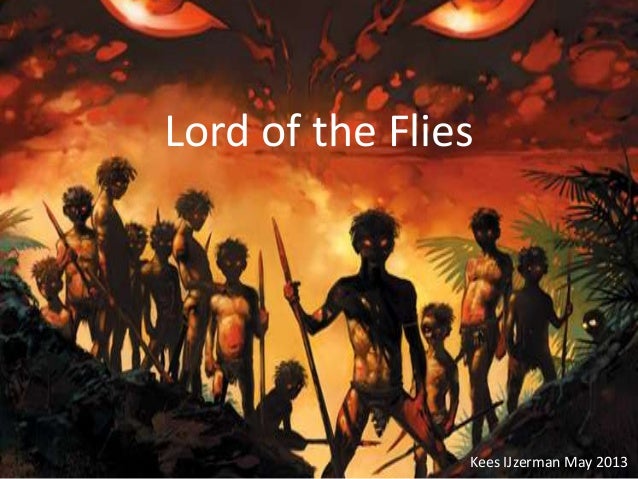
What happens when a gaggle fine upstanding white boys are left stranded on a deserted island with no adult supervision? Sounds like an adventure, huh?
And – NO. You’re not allowed to read the Cliff’s Notes for any of this. Our soundbyte-loving society is in dire need of complete and thorough (unfiltered) information to process and analyze on our own terms, not through the lens of someone else’s agenda or expertise. What does that mean?
(Hint: If you participate in this master class, you’ll be able to answer that for yourself.)
After you finish the book, use space in your notebook/blog to write (or sketch) about your views on the inherent nature of man. Are we predisposed to do good? Or are we predisposed to do evil?
For extra credit (or perhaps just to get some assistance to answer the questions above), you may want to look into these philosophers to see what they have to say about the nature of man: Jean Jacques Rousseau, Thomas Hobbes, and Maximilien Robespierre.
Read 1984 by George Orwell.
Get it at your local library or purchase a copy here.

If you’re familiar with the book and know it well, I think you will agree that this is one of the most scary-poignant novels in the high school canon. Unfortunately the deeper implications of the text are often missed on high schoolers whose parents may have deliberately shielded them from the ways of the world. Even if you feel like you know it fairly well, it’s worth another read through the lens of your life experience.
I suggest you do some work in your notebook at various intervals during and after your reading. You’re probably going to have some, uh, stuff to journal about…
Watch History 101 Episode 3: “The Rise of China.”

Learn more about this new docuseries in this blog post. You can find it on Netflix.
If the last time you read or watched anything about China was in your 10th grade Global History class, it’s time for a refresher. This one will take less than 25 minutes.
After you watch – spend some time in your notebook answering this question: What’s the big deal about China?
PREVIEWING TOPIC 2:
Once you’ve established a baseline through reading, watching and writing about the selected works above, we’ll be ready to delve deeper into some analysis of modern topics. I’ll give you some time to get started before I release all of that on you just yet.
 Inside the Launch Window